
Philately Guide 2025 – Stamp Value, Black & Blue Penny
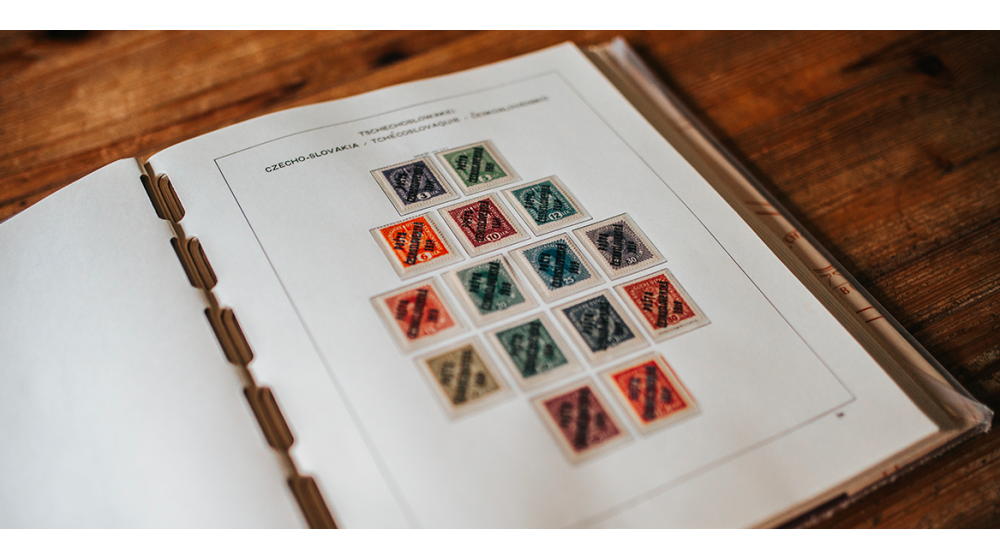
Philately remains one of the oldest and most stable collecting hobbies in the world. Whether you're just starting or have an advanced collection, this guide will help you understand different types of postage stamps, how their value is determined, how they are catalogued, and what key trends look like in 2025.
If you want to dive straight into the material, explore some of our most popular categories: German Empire stamps, classic Mauritius issues, Czechoslovakia, Protectorate Bohemia & Moravia and Czech Republic stamps.
What Is Philately and Why Is It So Popular?
Philately is more than collecting stamps. It's the study of postal history, production techniques, issuing policies of different countries, and historical context behind each issue.
- Historical significance — stamps tell stories about nations, colonies, wars, leaders, and cultures.
- Accessible hobby — you can begin with a modest budget or build a serious investment collection.
- Stable investment — high-quality, rare issues tend to hold or appreciate in value over time.
- Joy of discovery — flaws, print variations, color shifts, and cancels make every find rewarding.
How Is the Value of a Stamp Determined?
The market value of a stamp is determined by several key factors:
1. Condition / Grading
- ** / MNH (Mint Never Hinged) — unused, original gum, never hinged (as a rule top market value).
- * / MH (Mint Hinged) — unused but hinged or with hinge residual.
- # / Used — postally used with cancellation.
- (*) — unused without original gum; usually significantly lower value.
2. Rarity and Print Run
Generally, the smaller the original print run, the higher the collector demand and market value — classic examples include certain German Empire issues and early colonial releases such as the celebrated Mauritius stamps.
3. Collector Demand
Some of the most sought-after areas among collectors include:
- Czechoslovakia (ČSR I & II)
- Protectorate Bohemia & Moravia specialties including due stamps and postmark varieties
- German Empire
- Austria & Austria-Hungary
- British colonies — especially Mauritius and Cape of Good Hope triangulars
- Czech Republic modern issues, FDCs, and errors
Black Penny & Blue Penny — Legendary Classics
Among the most iconic rarities in global philately are the Black Penny and Blue Penny, early issues from Great Britain during the reign of Queen Victoria. These are among the most highly prized classic stamps in the world and are featured in our Queen Victoria — British stamps category.
4. Catalogue Values
To estimate a stamp’s value, collectors refer to specialized catalogues such as:
- Pofis — Czechoslovakia & Czech Republic
- Michel — Europe & German colonies
- Stanley Gibbons — Great Britain & British colonies (very relevant for Mauritius and classic Britannias)
- Scott — Americas
- Yvert & Tellier — France & francophone colonies
- Facit — Scandinavia
Is Philately a Good Investment in 2025?
Many high-quality, rare stamps have shown long-term appreciation — particularly classic issues from areas such as the German Empire, specialties from Protectorate Bohemia & Moravia, and world-famous colonies such as Mauritius or rarities from the Queen Victoria era.
Some of the most noteworthy investment categories include:
- Legendary classics like Black Penny & Blue Penny
- Colonial rarities (Mauritius, Cape of Good Hope)
- Protectorate Bohemia & Moravia high-grade material
- Small print runs and well-preserved errors
- Complete thematic collections and mint singles (**/MNH)
Conclusion
Philately blends history, aesthetics, and long-term value. Whether you are fascinated by the classic emissions of the German Empire, the legendary Black Penny and Blue Penny, the iconic issues from Mauritius, legendary from Cape of Good Hope, or specialized Protectorate and Czechoslovak material, stamp collecting remains a timeless hobby — and for serious rarities, a compelling investment.
Want to expand your collection today? Visit our philately shop at Znamky.cz and explore the latest additions in categories such as German Empire, Mauritius, Czechoslovakia, and Czech Republic.