British Africa Stamps: the Cape of Good Hope Triangulars
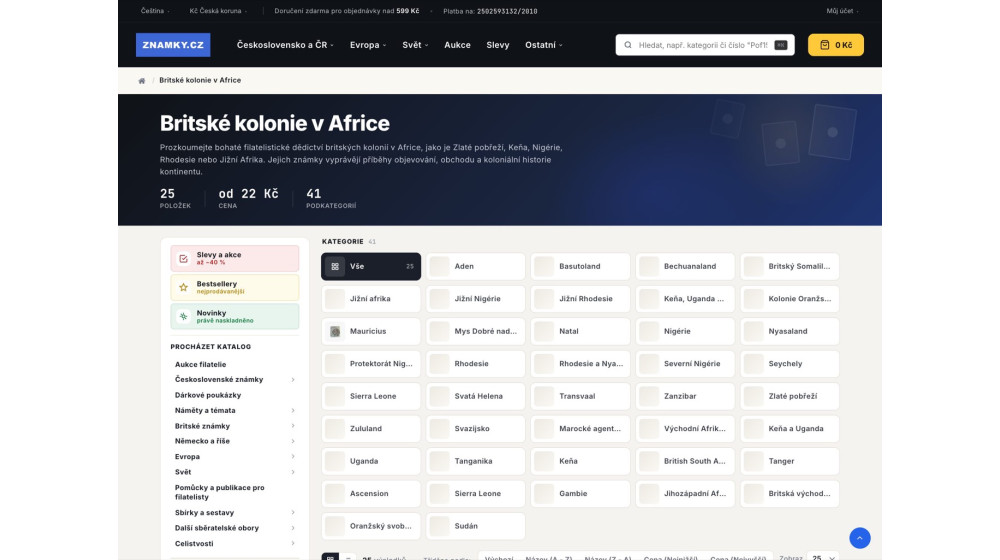
British colonial stamps are among the most popular collecting fields in the world – and the African colonies are their royal discipline. It was in Africa that the very first stamps of the whole continent were born: the legendary Cape of Good Hope triangulars of 1853. In this article we walk through their history and Stanley Gibbons catalogue values, and show what British Africa has to offer in our shop – British Colonies in Africa is one of our main sections, with more than 300 stamps in stock.
1 September 1853: the first stamps of mainland Africa
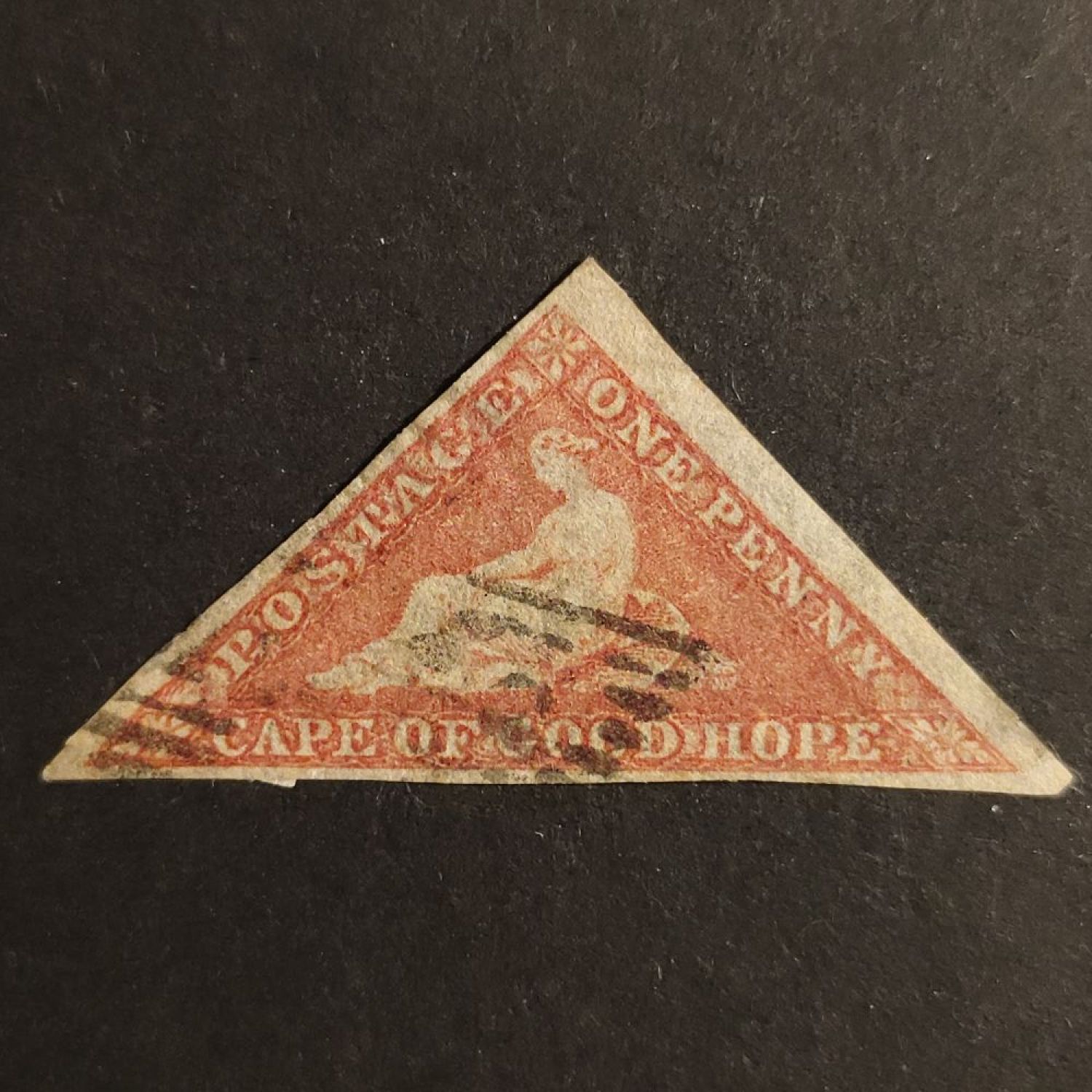
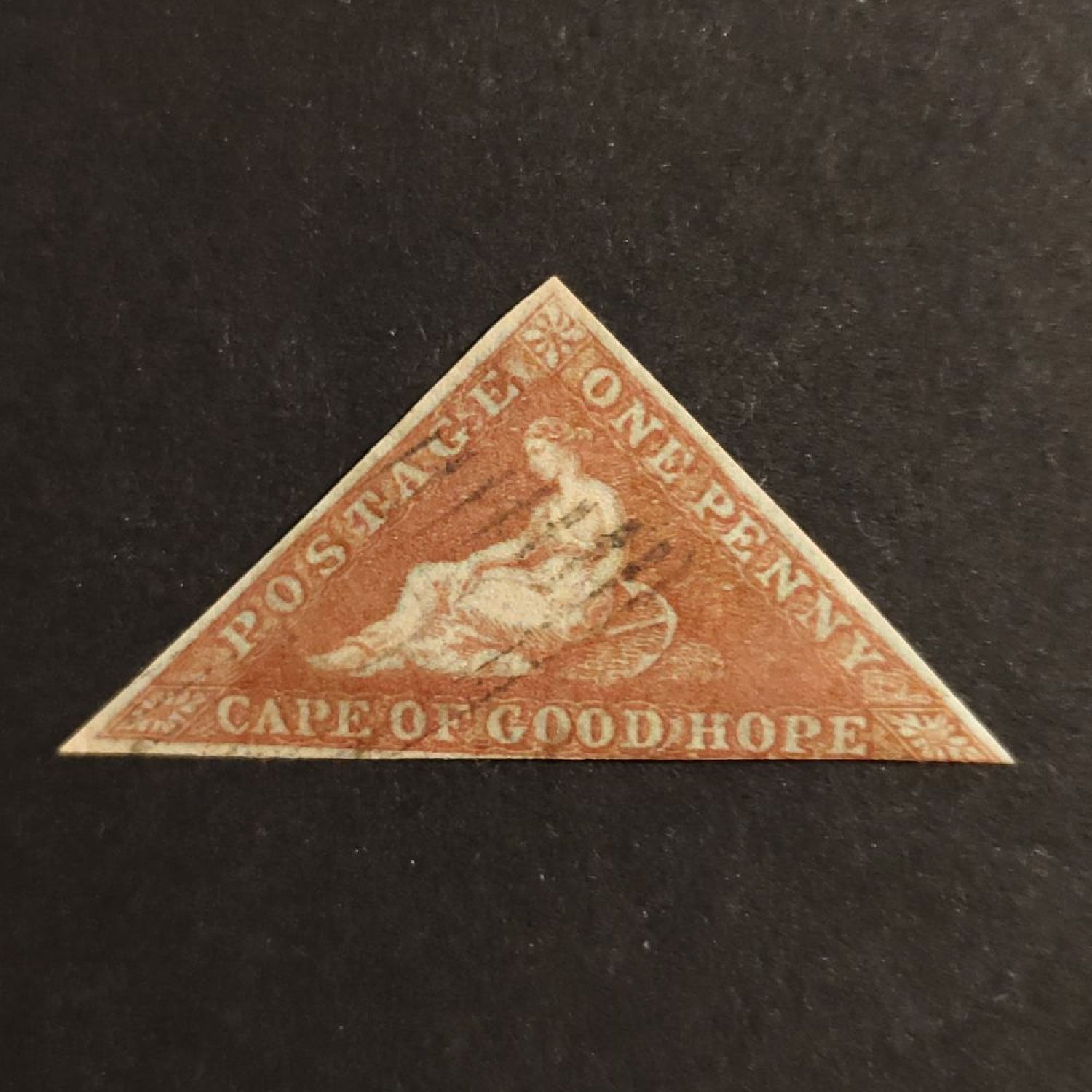
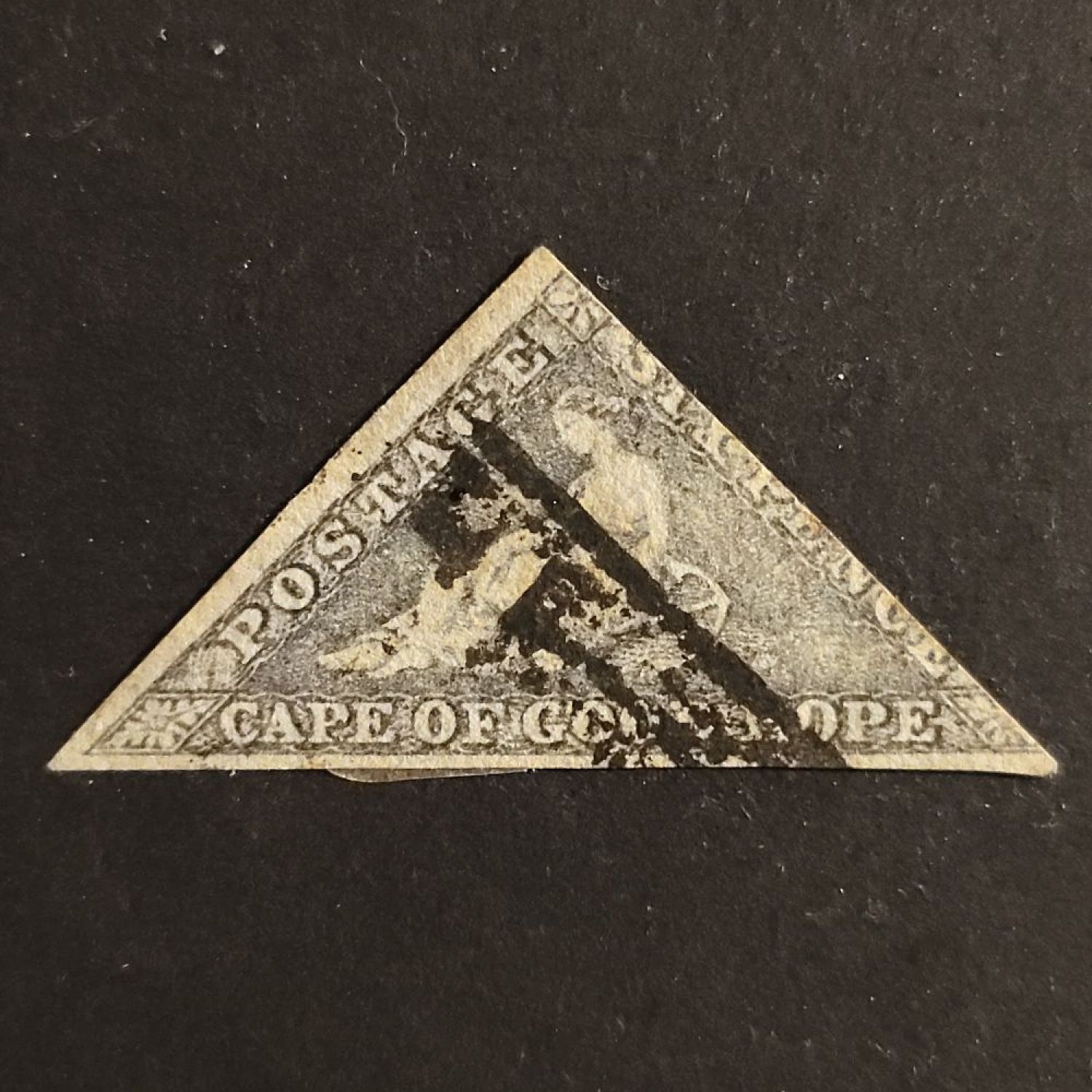
The Cape Colony issued its first stamps on 1 September 1853 – the first territory on the African mainland to do so; the absolute African first belongs to the island of Mauritius, whose rare “Post Office” stamps appeared on 21 September 1847. And it entered history straight away: these were the world's first triangular postage stamps. The design was created by Charles Davidson Bell, Surveyor-General of the Cape; the allegorical figure of Hope seated with an anchor was engraved by William Humphrys, and the stamps were recess-printed in London by Perkins Bacon – the same firm that printed the famous Penny Black. The paper carries an anchor watermark, and the first 1853 printings are characteristically blued ("paper deeply blued") – it is the paper shade that separates the rarest first printings from the later ones.
Why a triangle?
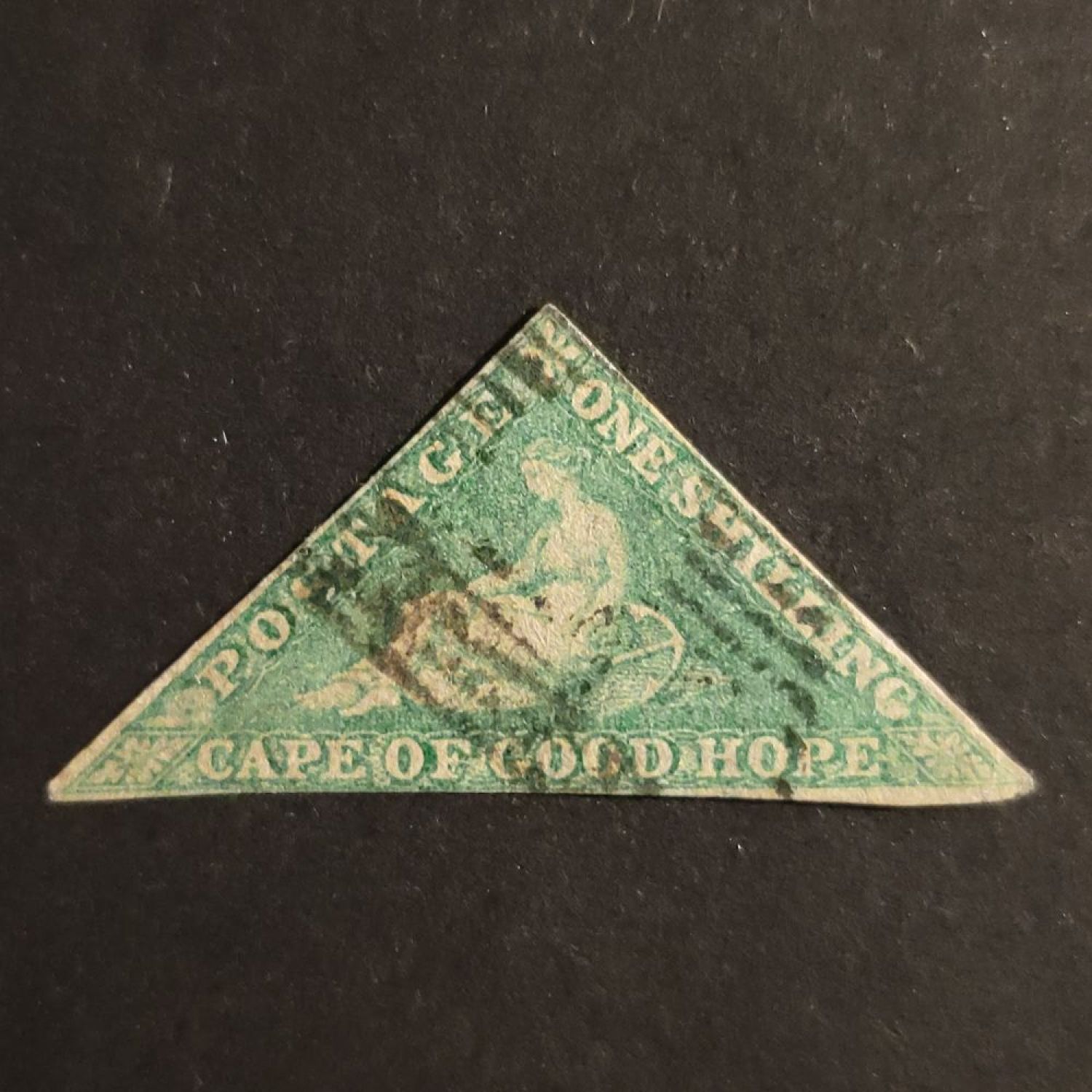
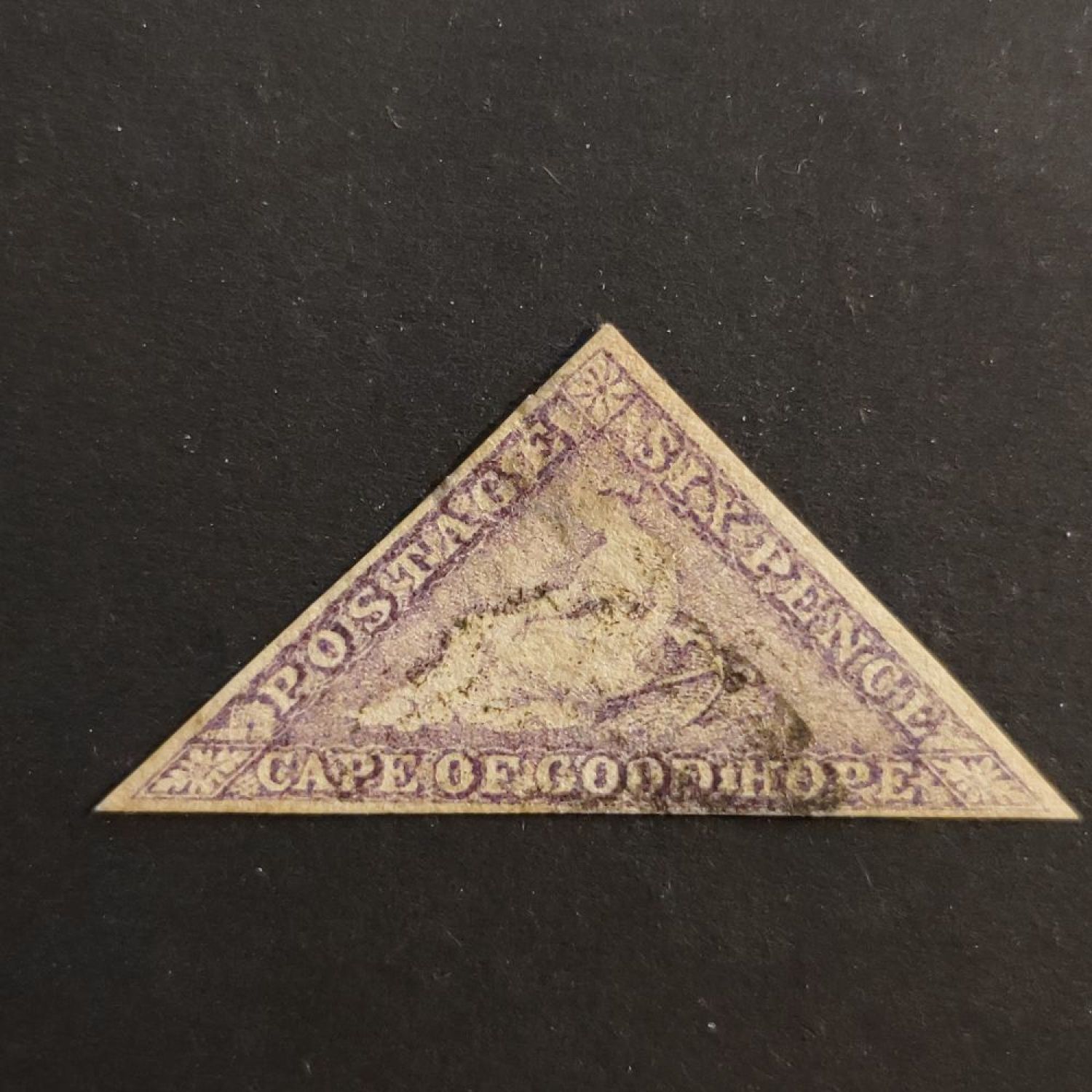
The unusual shape was not mere decoration. A triangular stamp was recognisable at a glance, so postal clerks and sorters – many of whom could not read – could instantly tell Cape mail from all other letters. At the same time the triangulars became the colony's unmistakable signature, and today they are one of the most famous designs of all classic philately. They were issued in values of 1 penny (red), 4 pence (blue), 6 pence (lilac) and 1 shilling (green) and remained in use until 1864, when a rectangular "seated Hope" issue replaced them.
From Perkins Bacon via the "Woodblocks" to De La Rue
- 1853 – blued paper (SG 1–4): the first 1d and 4d printings on deeply blued paper. The rarest of the regular triangulars.
- 1855–63 – white paper (SG 5–8): the main triangular period; the 6d and 1s values joined the 1d and 4d.
- 1861 – the famous "Woodblocks" (SG 13–14): when the colony ran out of stamps and the London shipment failed to arrive, an emergency issue was printed locally – engraved by C. J. Roberts and printed by Saul Solomon & Co in Cape Town. Their crude design earned them the nickname "woodblocks", although they were actually printed from steel stereotypes. During production a 1d cliché was accidentally inserted into the 4d plate and vice versa – creating the celebrated errors of colour (1d in blue, 4d in vermilion), today among the most expensive stamps of the British Empire.
- 1863–64 – the De La Rue printings (SG 18–21): the last triangulars, printed in London by De La Rue from the original Perkins Bacon plates. The most affordable entry into the world of Cape triangulars.
Stanley Gibbons catalogue values
As a guide from the SG catalogue (prices for sound copies): the 1853 first printings on blued paper run into thousands of pounds – the 1d pale brick-red around £4,500 unused / £450 used, the 4d deep blue around £3,750 / £275. The 1855–63 white-paper period is more accessible, with used copies in the hundreds of pounds. The emergency Woodblocks of 1861 cost £17,000 to £20,000, and their errors of colour exceed £100,000. And one important detail for postal history collectors: SG prices triangulars on cover at 3× to 5× the used-stamp value – once again, the complete cover is king.
Genuine triangulars in our offer
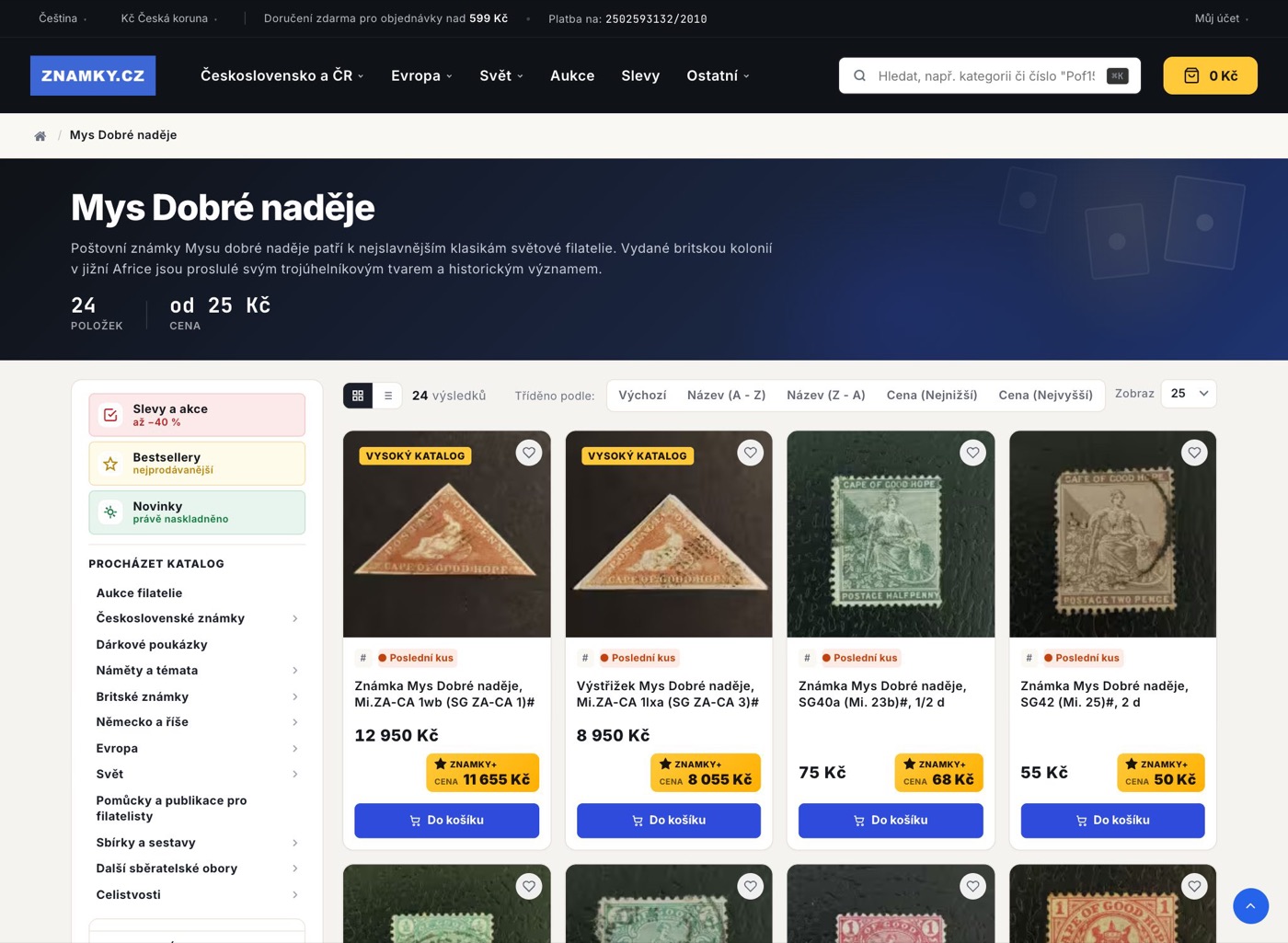
Our Cape of Good Hope category currently holds more than twenty items – including original triangulars, each with a photograph and our authenticity guarantee with extended warranty: a used 1d on deeply blued paper, SG 1 (1853) at 12,950 CZK, a 1d rose, SG 5 (1855–63) at 24,900 CZK, a 1s bright yellow-green, SG 8 at 6,990 CZK, a 1s emerald-green of the De La Rue printing, SG 21 at 17,900 CZK – and a 4d deep blue, SG 6 at 950 CZK, an ideal first triangular for any collection. Beyond the triangulars the category also offers the later rectangular seated-Hope issues from just a few crowns, so the Cape can be collected on any budget.
British Africa: a continent in one collection
The triangulars are just the beginning. The British Colonies in Africa section holds over 300 stamps from these territories:
- Southern Rhodesia and Rhodesia & Nyasaland – King George V and VI, landscape designs.
- Nigeria and Gold Coast – West Africa with a rich colonial history.
- Kenya, Uganda and Tanganyika – the joint East African issues.
- Swaziland, Bechuanaland, Basutoland – the small southern African territories.
- South West Africa, Mauritius, Saint Helena and more.
And if postal history tempts you, the British colonies covers section holds letters from Southern Rhodesia, Nigeria, Zanzibar and Tanganyika – more in our guide to collecting covers.
What to watch out for
Cape triangulars have been forged and reprinted since the 19th century – reprints, imitations and forgeries to defraud collectors all exist. With imperforate stamps the margins are decisive: full margins on all three sides raise the price considerably, while a cut-into copy depresses it. Buy expensive pieces only from dealers who provide an authenticity guarantee – with us, every item carries one with an extended warranty.
Frequently asked questions
Why are the Cape of Good Hope stamps triangular?
So that Cape mail could be distinguished from other letters at a glance – the shape also helped sorters who could not read. They were the world's first triangular stamps and the first stamps of mainland Africa (1853); the very first African stamps came from Mauritius (1847).
How much does a Cape triangular cost?
It depends on the issue and condition: the De La Rue printings and the 1855–63 white paper start at a few hundred crowns and reach tens of thousands, the 1853 first printings on blued paper run into thousands of pounds in SG, and the 1861 Woodblocks into tens of thousands of pounds.
Where can I buy the triangulars?
In our Cape of Good Hope category – currently over twenty items with photographs and an authenticity guarantee, from 25 CZK up to original triangulars of the 1850s.